
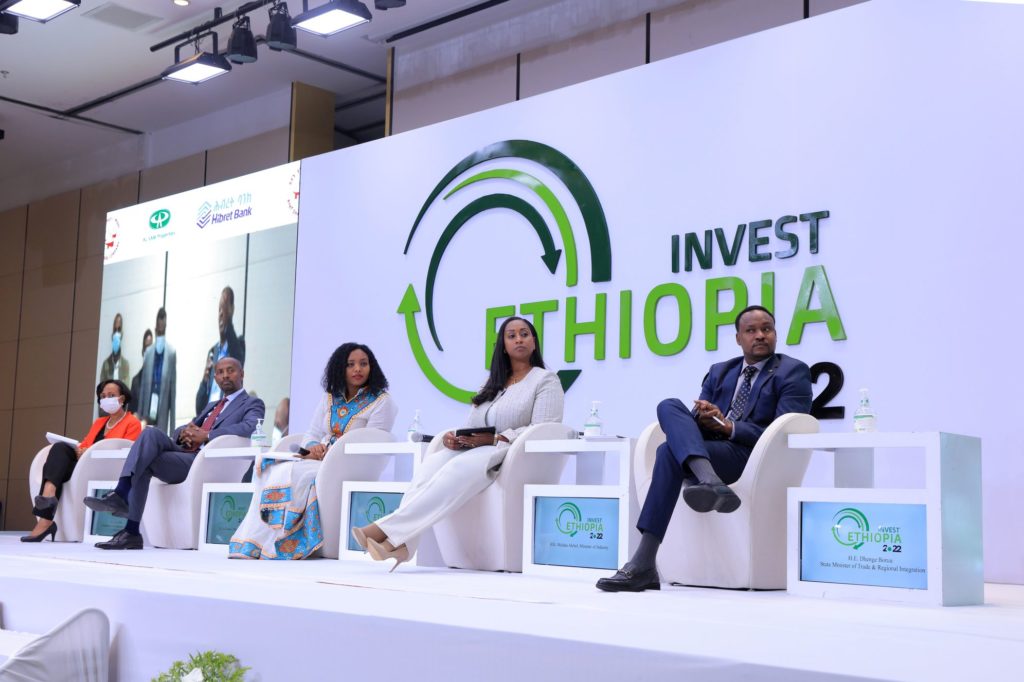
- Detailed planning for events with vida vegas and ultimate guest experiences
- Crafting the Ambiance: Venue Selection and Thematic Design
- The Power of Sensory Details
- Elevating the Culinary Experience
- Dietary Considerations and Inclusive Menus
- Interactive Entertainment and Guest Engagement
- Leveraging Technology for Enhanced Engagement
- Measuring Event Success and Gathering Feedback
- Beyond Logistics: Building Emotional Connections
Detailed planning for events with vida vegas and ultimate guest experiences
Planning an event, whether it's a corporate gathering, a milestone birthday, or a lavish wedding, requires meticulous attention to detail. The venue, catering, entertainment, and overall atmosphere all contribute significantly to the success of the occasion. Increasingly, event planners are turning to sophisticated solutions to elevate the guest experience, and that's where companies like vida vegas come into play, offering a range of services designed to create unforgettable moments. From bespoke event design to seamless logistical support, a collaborative approach can transform a standard event into a truly remarkable affair.
The modern event attendee expects more than just a functional space and adequate refreshments. They crave immersion, engagement, and a sense of personalized attention. This shift in expectation demands innovative event planning strategies that incorporate technology, creativity, and a deep understanding of guest preferences. The ability to curate experiences that resonate with attendees on an emotional level is paramount, and partnering with a specialized event solutions provider can be invaluable in achieving this outcome. Careful consideration of every touchpoint, from initial invitation to post-event follow-up, can solidify lasting positive impressions.
Crafting the Ambiance: Venue Selection and Thematic Design
The venue serves as the foundational canvas for any event, and its selection should align perfectly with the event's overall theme and objectives. Considerations extend beyond mere capacity and location; the venue’s aesthetic, architectural style, and existing amenities all play a crucial role in shaping the guest experience. A sleek, modern space might suit a corporate product launch, while a rustic barn or historical estate could provide the perfect backdrop for a wedding. When working with event specialists, exploring unconventional venue options can lead to truly unique and memorable settings. Thematic design then builds upon the chosen venue, weaving a cohesive narrative through décor, lighting, and visual elements.
The Power of Sensory Details
Often overlooked, the power of sensory details—sight, sound, smell, taste, and touch—can dramatically enhance the event ambiance. Carefully curated lighting schemes can transform a room’s mood, while strategically placed floral arrangements can add vibrancy and freshness. Music selection is critical, evolving throughout the event to complement the shifting energy. Even subtle aromas, such as fresh baked goods or natural scents, can evoke positive emotions and create a welcoming atmosphere. Attention to these granular details demonstrates a commitment to guest comfort and creates a more immersive experience, solidifying event success.
| Element | Impact | Considerations |
|---|---|---|
| Lighting | Sets Mood, Highlights Features | Color Temperature, Intensity, Placement |
| Music | Influences Energy, Creates Atmosphere | Genre, Volume, Transitioning Playlist |
| Décor | Reinforces Theme, Adds Visual Appeal | Color Palette, Materials, Style Consistency |
| Aromas | Evokes Emotions, Enhances Experience | Subtlety, Allergies, Overall Harmony |
Following a comprehensive assessment of venue options and desired theming, incorporating a detailed logistical plan is necessary. This includes coordinating vendors, managing timelines, and ensuring seamless execution of all event components. A dedicated event team, with a clear understanding of the client’s vision, is essential for navigating potential challenges and maintaining a smooth operation. This is where the expertise of specialists shines, facilitating an experience that exceeds expectations.
Elevating the Culinary Experience
Food and beverage are central to any successful event, serving not just as sustenance but also as a means of creating a lasting impression. Choosing a catering menu that aligns with the event's theme and caters to the diverse dietary needs of attendees is paramount. Beyond the standard buffet or plated meal, exploring interactive food stations, bespoke cocktail creations, and personalized dessert options can elevate the culinary experience to new heights. Attention should also be paid to the presentation of food, ensuring that each dish is visually appealing as well as delicious. Quality ingredients and skilled culinary professionals are essential for delivering a truly memorable gastronomic experience.
Dietary Considerations and Inclusive Menus
In today’s diverse society, accommodating various dietary restrictions and preferences is no longer a courtesy but a necessity. Event planners should proactively inquire about allergies, intolerances, and lifestyle choices—such as vegan, vegetarian, gluten-free, and halal options—when crafting the menu. Offering a variety of dishes that cater to these needs demonstrates inclusivity and ensures that all attendees feel welcomed and valued. Clearly labeling food items with ingredient information is also crucial for transparency and safety. A thoughtfully designed menu that considers dietary diversity enhances the overall guest experience and minimizes potential issues.
- Clearly communicate dietary options to guests during RSVP process.
- Offer a dedicated server to assist guests with dietary concerns.
- Provide detailed ingredient lists for all food items.
- Prioritize fresh, high-quality ingredients for optimal flavor and visual appeal.
The selection of beverages should complement the food menu and cater to a range of tastes. From signature cocktails and premium wines to non-alcoholic options and specialty coffee, a well-curated beverage selection demonstrates attention to detail and enhances the overall event atmosphere. Professional bartenders and attentive beverage service are vital for ensuring a seamless and enjoyable experience for all attendees. Careful consideration to glassware selection also adds to the presentation and overall feel.
Interactive Entertainment and Guest Engagement
To truly captivate attendees, an event should offer more than just passive observation. Interactive entertainment and engaging activities encourage participation, foster connections, and create lasting memories. This might include live music performances, interactive art installations, photo booths with customized props, or gamified experiences that encourage friendly competition. The key is to choose entertainment options that align with the event's theme and appeal to the target audience. A well-executed entertainment program can transform a standard event into a dynamic and unforgettable experience.
Leveraging Technology for Enhanced Engagement
Technology offers a wealth of opportunities to enhance guest engagement and create innovative event experiences. Utilizing event apps for interactive polls, Q&A sessions, and social media integration can foster real-time interaction. Virtual reality (VR) and augmented reality (AR) experiences can provide immersive and memorable moments. Projection mapping and interactive displays can transform the venue into a dynamic canvas for visual storytelling. Incorporating these technologies strategically can elevate the event experience to new heights and leave a lasting impression on attendees, setting the event apart.
- Utilize event apps for real-time communication and engagement.
- Incorporate social media integration to amplify event reach.
- Explore VR/AR experiences for immersive entertainment.
- Leverage projection mapping for dynamic visual displays.
Planning for contingency scenarios is equally important. Unexpected issues, such as inclement weather or equipment malfunctions, can arise at any time. Having backup plans in place ensures that the event can continue smoothly, minimizing disruptions and maintaining a positive guest experience. A proactive event team, equipped with the resources and expertise to address unforeseen challenges, is essential for a successful outcome. Well-defined communication protocols are also essential for keeping all stakeholders informed and coordinated.
Measuring Event Success and Gathering Feedback
The conclusion of an event shouldn't mark the end of the planning process. Measuring event success and gathering feedback from attendees are crucial for continuous improvement. Key metrics to track include attendance rates, social media engagement, and post-event survey responses. Analyzing this data provides valuable insights into what worked well and what areas need improvement. Gathering qualitative feedback through surveys, focus groups, or direct interviews can provide more nuanced insights into the attendee experience. Utilizing this information allows organizers to refine their strategies and deliver even more successful events in the future.
Beyond Logistics: Building Emotional Connections
Event planning has evolved from a purely logistical undertaking to a strategic discipline focused on building emotional connections with attendees. The most memorable events aren't just about the flawless execution of tasks; they're about creating a feeling, evoking a sense of wonder, and fostering a sense of community. When planning with resources like vida vegas, the emphasis shifts from simply delivering a service to crafting an experience that resonates deeply with participants. This involves understanding the target audience’s values, motivations, and aspirations and designing the event to reflect those insights. It’s recognizing that an event is, at its core, a human experience.
Consider the example of a corporate team-building event aimed at fostering innovation. Rather than a traditional workshop, partnering with experiential event designers to create an immersive ‘innovation lab’ where teams tackle real-world challenges through interactive simulations and collaborative problem-solving. This actively involves participants, ignites their creativity, and generates a shared sense of accomplishment—a far more impactful outcome than a passive lecture series. This proactive methodology demonstrates that event planning is a process of building long-term relationships.